
 12 hours ago
11
12 hours ago
11
It was found that people in their 40s made up the largest share of attendees at BTS’s Gwanghwamun comeback concert. This suggests that the K-Pop fandom, once considered to be centered around younger audiences, is now expanding to include middle-aged groups.
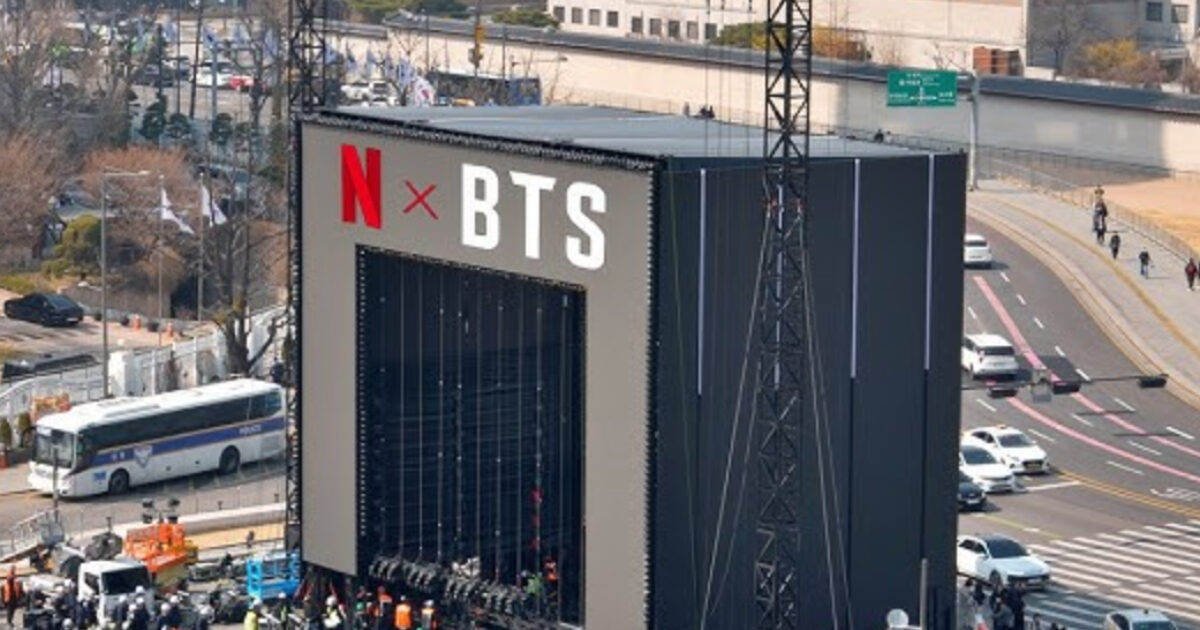
According to data tech company IGAWorks, a total of 163,964 people entered the area within a 1km radius of Gwanghwamun in Seoul between 5pm and 10pm on March 21. Among them, 41,570 were residents from outside the Seoul metropolitan area, indicating that this was a large-scale event that drew nationwide travel.
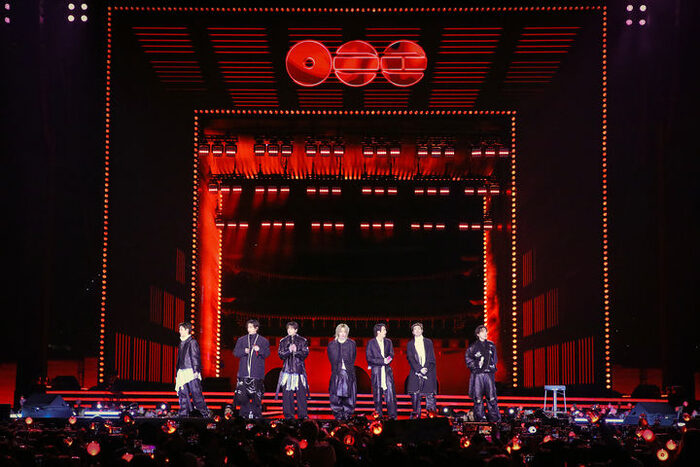
By age group, women in their 40s accounted for the largest share at 21.79%. Men in their 40s also recorded a relatively high proportion at 13.30%. They were followed by women in their 50s (12.15%) and women in their 30s (12.05%), showing that people in their 30s to 50s formed the core demographic. In contrast, the share of those in their 20s and younger was relatively low. Across all age groups, women outnumbered men, though male participation, particularly among those in their 30s to 50s, was still significant.
Of course, it is difficult to assume that everyone who entered the Gwanghwamun area during that time was a BTS fan. However, considering the police control and crowded conditions, it is likely that a large portion of visitors came to watch the concert or out of interest in BTS.
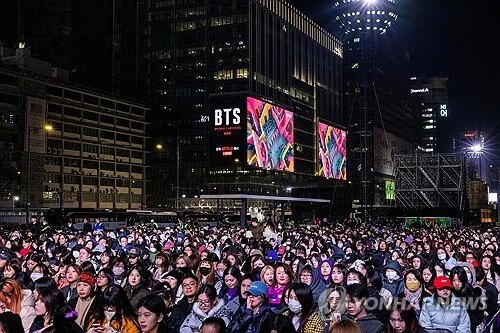
These results are interpreted as evidence that the K-Pop fandom—once thought to be centered on teens and people in their 20s, is expanding to include middle-aged audiences. The growing participation of people in their 30s to 50s, who generally have greater spending power, is expected to impact the broader cultural industry, including concerts, merchandise, and content consumption.
Not only this, but given BTS’s experience in the industry, having debuted almost 13 years ago, is a factor in this. Fans in their 20s back then would now be well in their 30s or 40s.
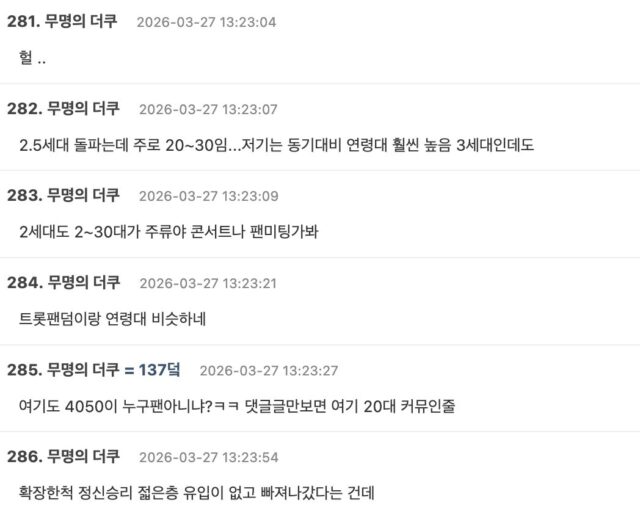
Netizens were floored at the statistics, claiming that they were older than even most 3rd generation fandoms. A portion also called out the company for not actively trying to recruit younger fans.
 | theqoo
- Gasp…
- I stan a group in the 2.5th gen, most of the fans are in their 20s and 30s… I think that their fanbase is higher in age than the average. Even if you compare with 3rd gen idols.
- Even for the 2dn gen groups, most of the fanbase are in their 20s and 30s. Just go to a concert or fanmeeting and see for yourself.
- It’s similar to the fanbase of trot singers.
- It’s because they only pretend to be expanding and are delulu, but they don’t do anything to make younger fans enter the fandom and everyone is just leaving.
The analysis was based on estimates combining mobile data and location information, excluding users whose primary activity area is Jongno District. The company explained that the purpose was not to precisely measure crowd size at a specific moment, but to understand visitor characteristics and movement patterns.
An industry official commented on the insight.
“The BTS fandom is no longer limited to a specific age group and is expanding across all generations.This shift is likely to influence not only the concert market but also the structure of content consumption in the future.”

















 English (US) ·